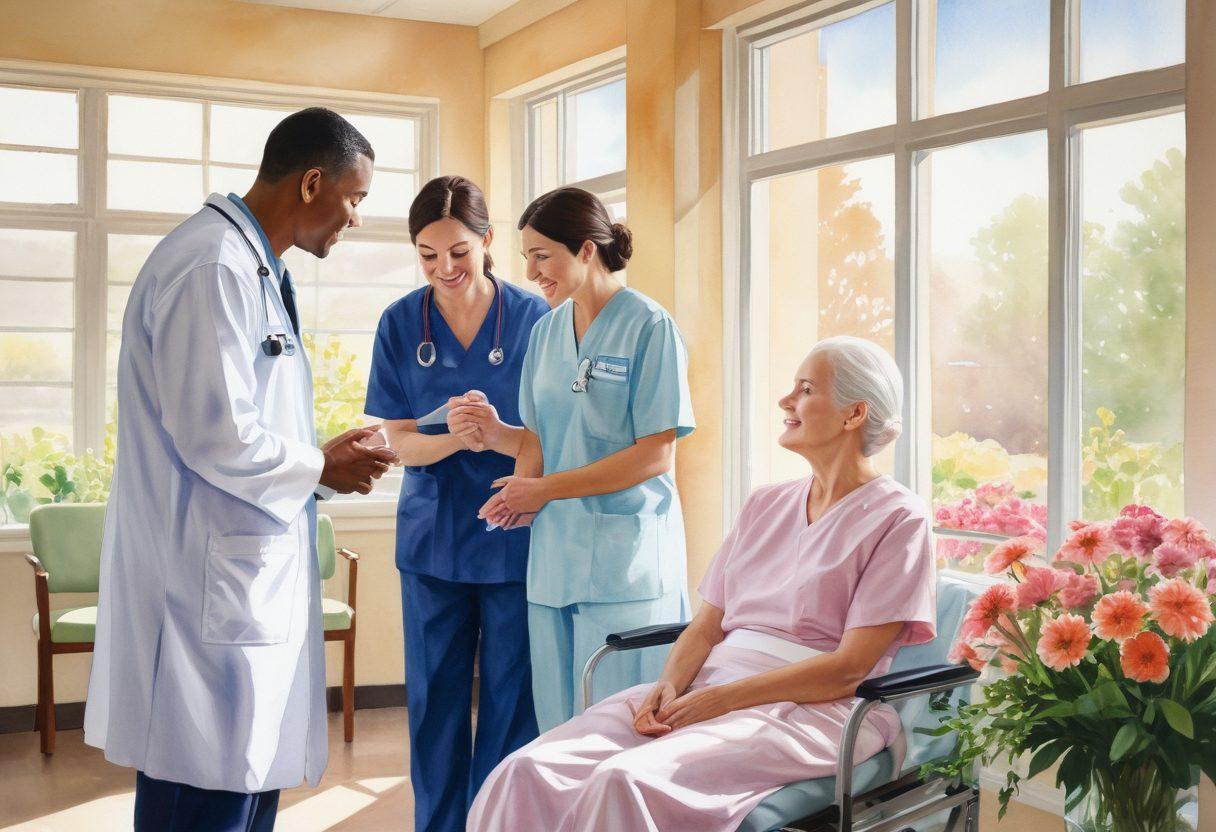
Empowering Lives: Navigating the Journey Through Oncology and Cancer Care
When faced with a cancer diagnosis, the journey ahead can feel daunting, like staring into an abyss of uncertainty. Yet, as patients and families navigate this complex world of oncology, there lies a glimmer of hope in understanding cancer treatments—from initial diagnosis through survivorship. As we explore this critical path, it’s vital to remember the words of Lance Armstrong: "The only cancer is a cancer of the spirit." Understanding the various stages and options for treatment not only illuminates the road ahead but also empowers those affected to take control of their journeys.
From the moment a doctor utters the word 'cancer,' commonly referred to as malignancy, a cascade of emotions floods the patient’s mind. Diagnoses may range from carcinoma to benign tumors (neoplasms), yet each type presents its unique set of challenges. Knowledge is power; understanding the risks factors—genetic, environmental, and lifestyle—allows individuals to confront their fears head-on. Engaging in health education and understanding symptoms can significantly impact not just outcomes but also pave the pathway to prevention and wellness living.
Oncology encompasses an array of cancer treatments, such as chemotherapy, radiation therapy, and immunotherapy, each tailored to target specific tumor types and stages. As patients weigh their options, clinical trials often come to the forefront, offering a chance to access cutting-edge therapeutics. But what does truly make these choices so difficult? Each treatment comes with potential side effects and risks, thus highlighting the importance of patient support and advocacy. Community support becomes invaluable here; a strong network of loved ones and fellow warriors can provide crucial emotional backing during those tough choices.
Survivorship is a celebration, but it’s also a rigorous transition. As patients shift from active treatment to a post-cancer life, many grapple with lingering questions about their health and future risks. What does living with cancer look like in this new realm? Many have found solace in palliative care, focusing on quality of life rather than solely on prolongation. This is where ongoing communication with healthcare professionals becomes essential. Regular check-ups, understanding surveillance protocols, and maintaining overall health awareness can guide survivors toward living fulfilling lives.
Cancer is not just a battle filled with fights against tumors; it's a story of resilience, support, and love. Through health blogs and cancer awareness campaigns, communities aim to share knowledge, bolster research, and promote patient advocacy. Engagement in these discussions can empower others facing similar challenges. Remember, you are not alone! Whether you’re actively treating or living beyond cancer, sharing your voice matters. Together, we can navigate this complex world and promote a healthier future for everyone affected by malignancy.
Embracing Wellness: The Role of Patient Support and Advocacy in Oncology
The journey through oncology and cancer care can feel like a tumultuous ride, often fraught with uncertainty and fear. However, there lies an incredibly powerful aspect of this journey—patient support and advocacy. Imagine standing on the edge of a daunting cliff, unsure if you should leap. That leap—that trust—is what patient support transforms into a safe landing, guiding individuals facing carcinoma, tumors, and malignancy into the arms of wellness. But what does it truly mean to embrace this wellness?
When it comes to cancer, the terms can become overwhelming and create a fog of confusion. From chemotherapy and radiation therapy to immunotherapy and clinical trials, each treatment is filled with hope but often accompanied by trepidation. This is where the role of patient advocacy shines like a lighthouse in the murky waters of healthcare. Patient advocates work tirelessly to ensure that everyone has access to information about their diagnosis, symptom management, and the vast array of cancer treatments available today. How powerful is that guidance? Just think: with the right support, patients can transform fear into knowledge and uncertainty into empowered choice.
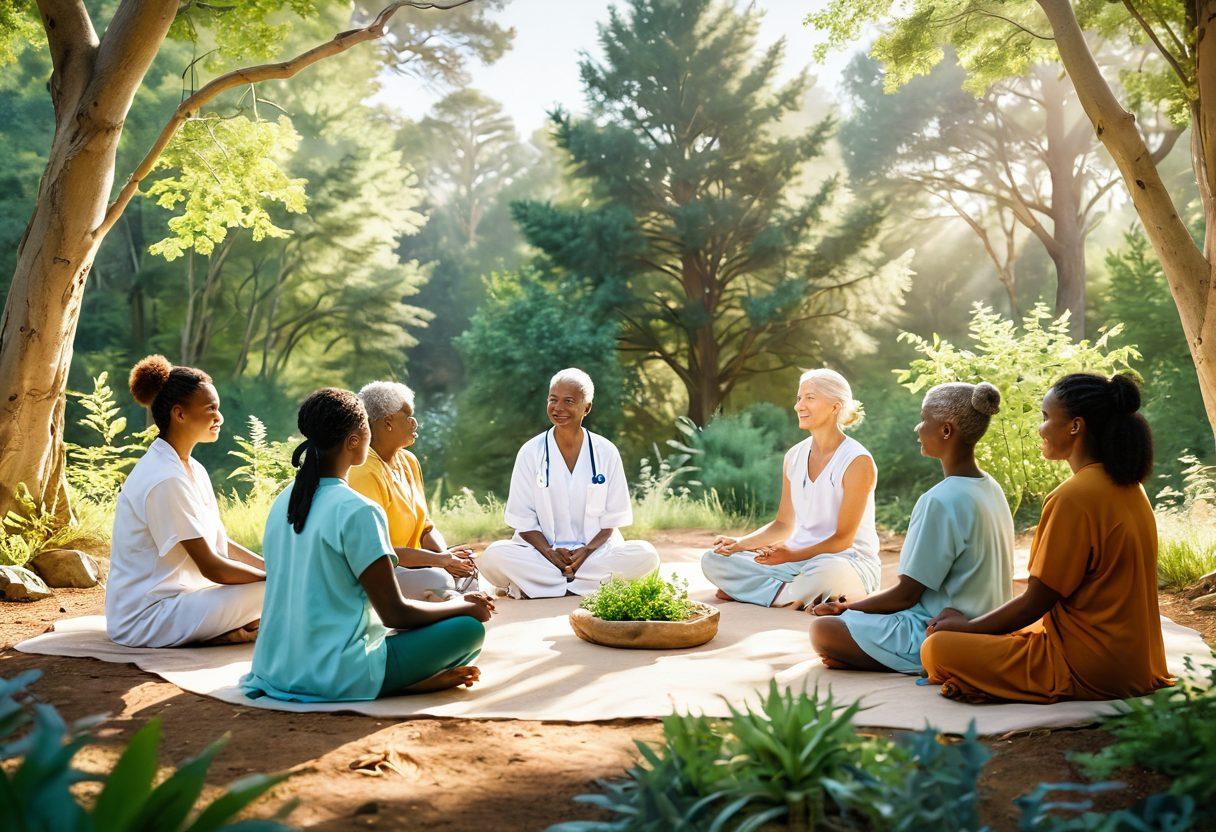
Quotes can inspire us to keep moving forward, and one such empowering statement is, "Wellness is the result of a healthy mind, body, and spirit." Indeed, those battling neoplasms are often urged to stay mentally and physically active. Utilizing community support and health awareness can significantly boost survivorship. Joining support groups or health blogs provides a relatable environment to share experiences, vent frustrations, or celebrate victories. Have you considered finding your tribe? It can be your lifeline on a tough day.
Moreover, palliative care plays a crucial role in this narrative. It's not just about fighting the malignancy but also about enhancing the quality of life during treatment. Whether through pharmaceuticals or holistic therapies, the aim is clear: to address the patient's unique challenges, symptoms, and needs. Here, patient support doesn't just exist; it flourishes. Healthcare providers often encourage families to become advocates for their loved ones, ensuring the patient’s voice is heard. How often do we remember to include the patient’s wishes in the plan of care?
Finally, the journey doesn't end with the last chemotherapy session or the final radiation therapy. The aftereffects of treatment often linger, giving rise to new challenges and the need for a different kind of patient advocacy. Survivorship is a testament that the fight continues, and the support needed must transition from immediate care to long-term wellness. Combining education on risk factors, cancer awareness campaigns, and preventive measures plays a pivotal role in establishing a solid foundation for life after cancer. Are we, as a community, doing enough to empower those embracing this new chapter? Remember, it’s not just about surviving cancer; it’s about thriving in the aftermath.
Innovative Therapies and Community Care: Transforming Lives in the Fight Against Cancer
In the words of the late Dr. Paul Kalanithi, a neurosurgeon and author, 'Even when the future seems overwhelming, it is the present that is most important.' As we embark on the journey through oncology and cancer care, particularly focused on innovative therapies and community support, it’s essential to recognize that the current landscape of cancer treatment is not just a story of struggle and fear, but one of hope and resilience. Each year, advancements in medicine, from chemotherapy to immunotherapy, pave the way for better outcomes, enhancing not only the quality of life for patients but also redefining what it means to live with cancer.
In the realm of oncology, the battle against carcinoma and other malignancies has witnessed a paradigm shift. Traditional methods like surgery and radiation therapy are now complemented by cutting-edge therapeutics that harness the body’s own immune system to combat tumors. Immunotherapy, for example, has transformed the outlook for many patients, offering results previously thought unattainable. As clinical trials continue to unveil the potential of these therapies, patients and their families are granted renewed hope in their fight against neoplasms. What was once a dark and daunting prognosis can now illuminate paths towards survivorship and thriving wellness.
However, the struggle against cancer extends far beyond the clinic. Community care plays a pivotal role in healing, as studies reveal that support networks significantly boost patient morale and outcomes. Health awareness campaigns serve to educate not only those diagnosed but also the broader community about prevention, risk factors, and the importance of early diagnosis. The power of patient advocacy rises to the forefront here, where conversations around palliative care can significantly enhance the quality of life. How can we leverage these community resources to better support those affected by cancer?
Living with cancer is undeniably challenging, yet those navigating this experience can find strength in community support. Health blogs and medicine blogs are invaluable resources, providing insights, personal stories, and actionable advice. Engaging in conversations online, sharing experiences, and learning from others can create a sense of solidarity and understanding. Furthermore, utilizing healthcare resources and patient support groups amplifies voices that deserve to be heard. We are stronger together, and mutual compassion can foster healing environments.
As we reflect on the evolving landscape of cancer treatments and community involvement, it becomes clear that transforming lives in the fight against cancer is more than just a battle—it’s a journey filled with connection and empowerment. Remember, every step taken towards health education, cancer research, and patient support paves the way for a future where fewer lives are claimed by malignancies. Have you ever considered the impact your own story could have on someone else's journey? Sharing experiences can be a catalyst for change, and together, we can champion the cause of cancer awareness—one story at a time.